Cleaning and caring for stainless bathroom products
5 min read
Why stainless steel needs care
What protects stainless steel is the thin chromium oxide layer on its surface. The layer renews itself with oxygen, but dirt, soap residue, limescale and leftover cleaning products that stay on the surface make that harder. The point of care is to let the layer breathe, which simply means keeping the surface clean and dry.
The good news is that stainless steel does not need special chemicals. Thanks to its smooth surface, most dirt comes off with water and a mild soap. Most problems come not from too little cleaning but from cleaning with products that are too harsh or simply wrong.
The daily wipe
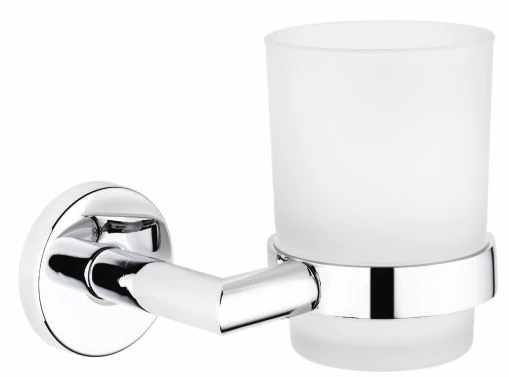
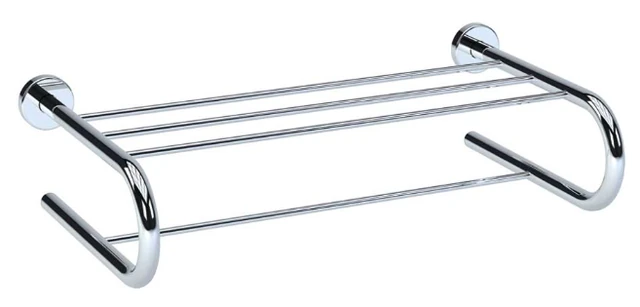
In busy bathrooms the most effective habit is a short daily wipe. Going over towel rails, paper holders, soap dishes and other accessories with a damp, soft microfibre cloth stops water marks and fingerprints from building up. A quick pass with a dry cloth afterwards keeps the shine.
Satin or brushed finishes have fine lines in them. Always move the cloth in the direction of those lines. Circular movements can leave streaks and even visible fine scratches.
Keep a dry cloth handy for products near the shower and for surfaces that get splashed often. Letting water dry by itself leaves white spots, especially where the water is hard.
The weekly clean, step by step
Once a week, a slightly more thorough clean is enough. All you need is warm water, a few drops of mild liquid soap or washing-up liquid and two soft cloths.
- Add a little mild soap to warm water
- Wet a soft cloth, wring it well and wipe along the grain
- Use a soft-bristled brush or an old toothbrush for corners and joints
- Rinse the soap away with clean, warm water; dried soap leaves marks
- Dry the whole surface with a clean, dry cloth
What to avoid
The worst enemies of stainless steel are products that scratch the surface or attack its protective layer. Used once they may do little harm, but used regularly they can leave permanent marks.
Leaving a cleaner to sit on the surface is another common mistake. Unless the label says otherwise, wipe off any cleaner soon after applying it and rinse with plenty of water.
- Bleach and other products that contain chlorine
- Acidic cleaners such as hydrochloric acid, and strong descalers
- Scouring powder and abrasive creams
- Steel wool, metal scourers and hard-backed sponges
- Leaving cleaners on the surface or not rinsing them off
Surface stains and gentle fixes
Most brown or orange spots on stainless steel do not come from the steel itself but from iron particles that land on it. Steel wool, nearby metalwork or a tool made of ordinary steel touching the surface can leave such particles behind. Chlorine and salty water can cause similar marks.
These stains usually sit only on the surface. Start with warm water and mild soap. If the mark stays, mix baking soda with a little water into a paste and rub it gently along the grain with a soft cloth, then rinse well and dry.
For limescale, diluted white vinegar can be used briefly; do not leave it on the surface, and rinse it off with plenty of water right away. If a stain will not shift, do not force it: use a non-abrasive cleaner made for stainless steel instead.
Whatever you use, try it first on a spot that is hard to see. Polished finishes show marks more easily than satin ones.
Caring for black products
Black bathroom accessories are as easy to clean as steel-look ones, but their surface deserves extra care. Water marks and soap residue show more on a dark surface, and abrasive products can dull the colour or scratch it.
Clean black products only with a soft cloth, warm water and a mild soap. Keep baking soda paste, scouring powder and hard sponges away from them. Drying after cleaning matters even more here, so that no marks stay on the dark finish.
Mirrors and illuminated mirrors
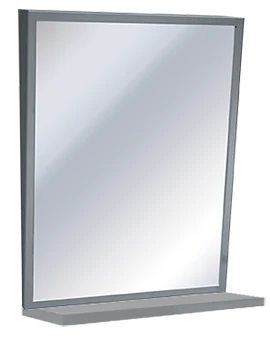
With framed mirrors, make sure the cleaner you use on the glass does not run onto the stainless frame. Some glass cleaners contain alcohol or ammonia and can leave marks on the frame if used often. The safest way is to clean the glass first, then wipe the frame separately with a damp cloth and dry it.
Switch off LED illuminated mirrors before cleaning and use a cloth that is only slightly damp. Apply the cleaner to the cloth instead of spraying it onto the surface, so no water gets into the lighting or the edge gaps. On mirrors with a shelf, wipe away water and limescale that collect on the shelf with the same cloth.
A short checklist for hotels and facilities
In hotels, hospitals, offices and shopping centres, where many washrooms must be cleaned to the same standard, a short list that everyone follows works best. The points below are a starting point for housekeeping and cleaning teams.
- Every clean: wipe accessories with a damp microfibre cloth and dry them
- Once a week: a thorough clean with mild soapy water, then rinse
- Keep bleach and abrasives on the trolley away from stainless surfaces
- Use separate soft cloths for stainless steel and black finishes
- When a stain appears, note it and treat it gently straight away
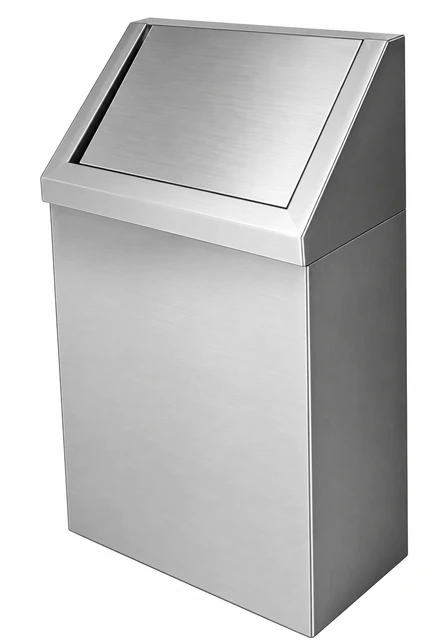
- Wipe the outside of soap and paper dispensers when refilling them
At ALVO
Most series in our Bathroom Accessories category come with a black option, and the towel racks, hooks and sponge holders of the Hotel Series sit alongside our mirrors, cabinets and shelves on the products page. The material of every product is stated in its description. Send us your care or product questions on WhatsApp.